260 years of borrowed trust
Influencer marketing is paying for someone else's trust with an audience, and it's at least 260 years old: Wedgwood sold pottery on a royal warrant in 1766. Influencer marketing didn't arrive with Instagram. It arrived with a potter. Instagram just made it cheap.
BORROWED CREDIBILITY
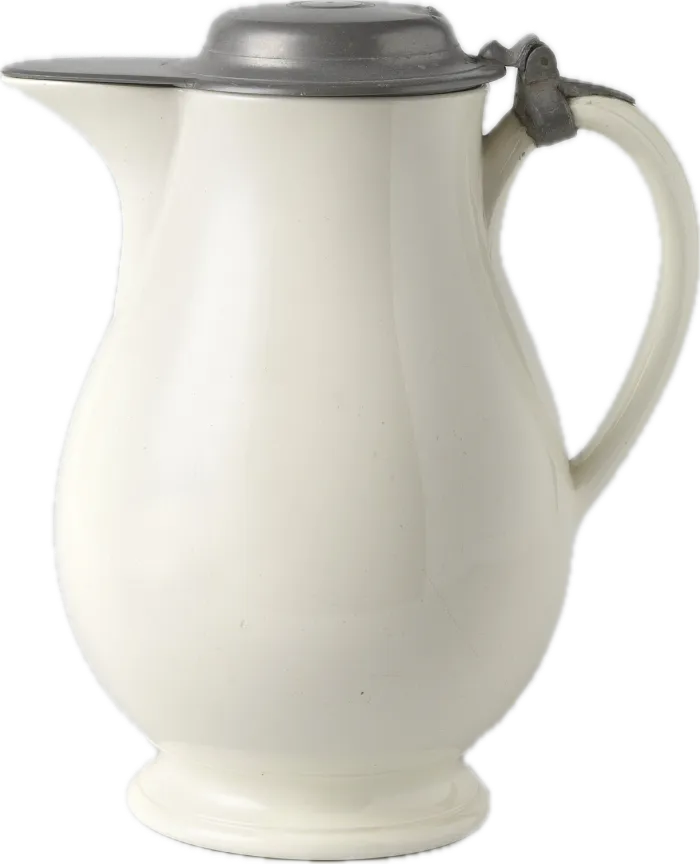
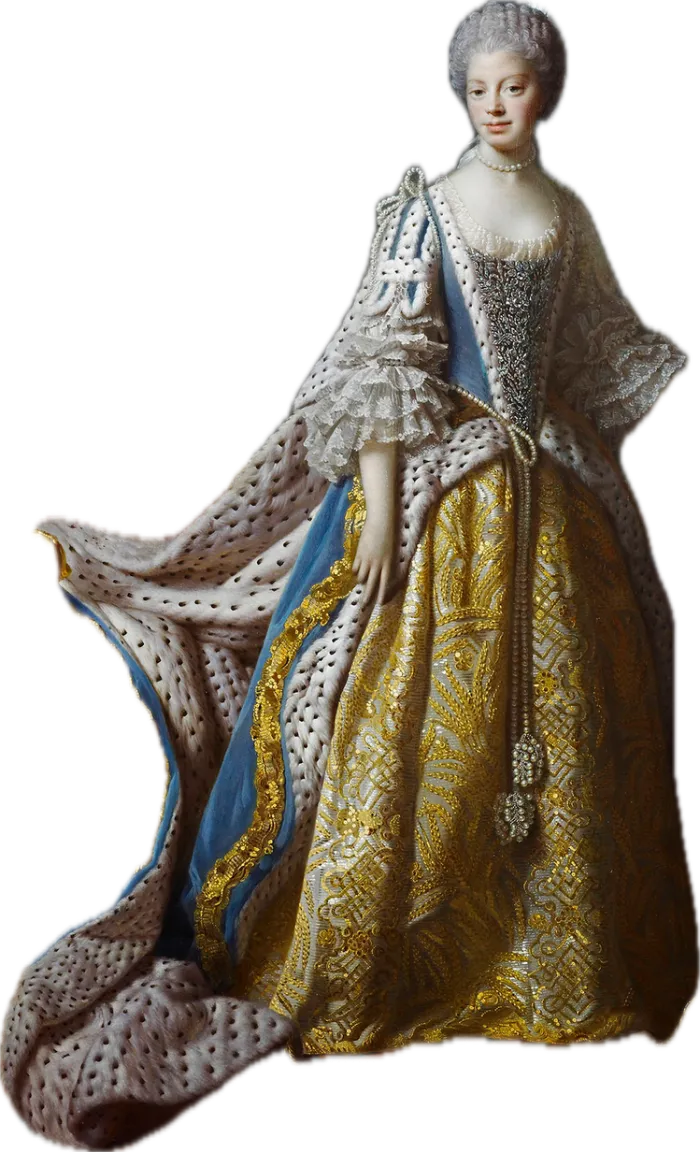
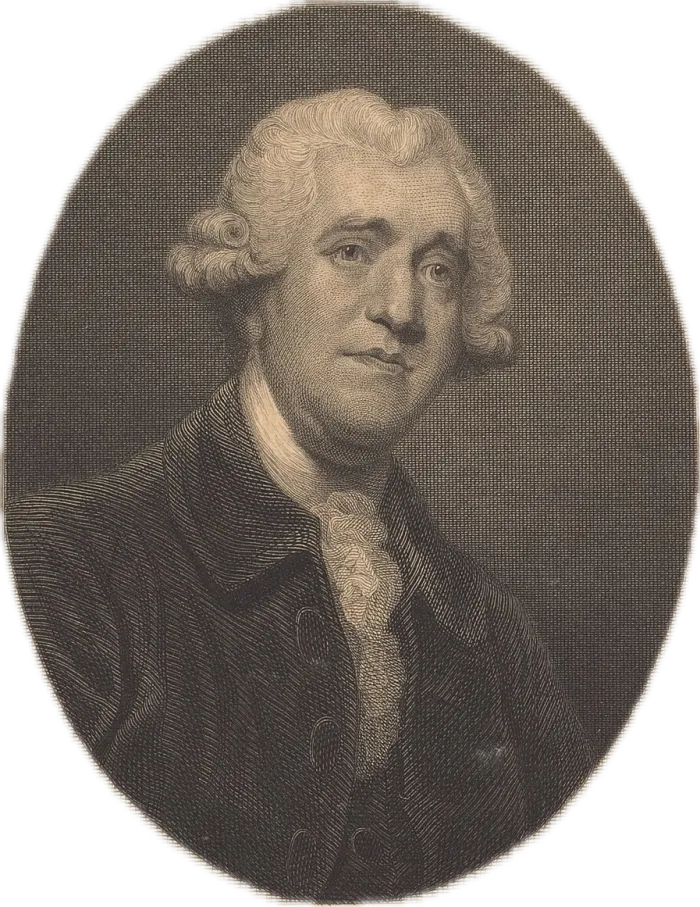
· 1765 – 1900In 1765 the court ordered a creamware tea set for Queen Charlotte. In 1766 Josiah Wedgwood won the right to call it Queen's Ware and the title Potter to Her Majesty, which he printed on his invoices. Same clay, same kiln, a higher price because of whose name was attached.
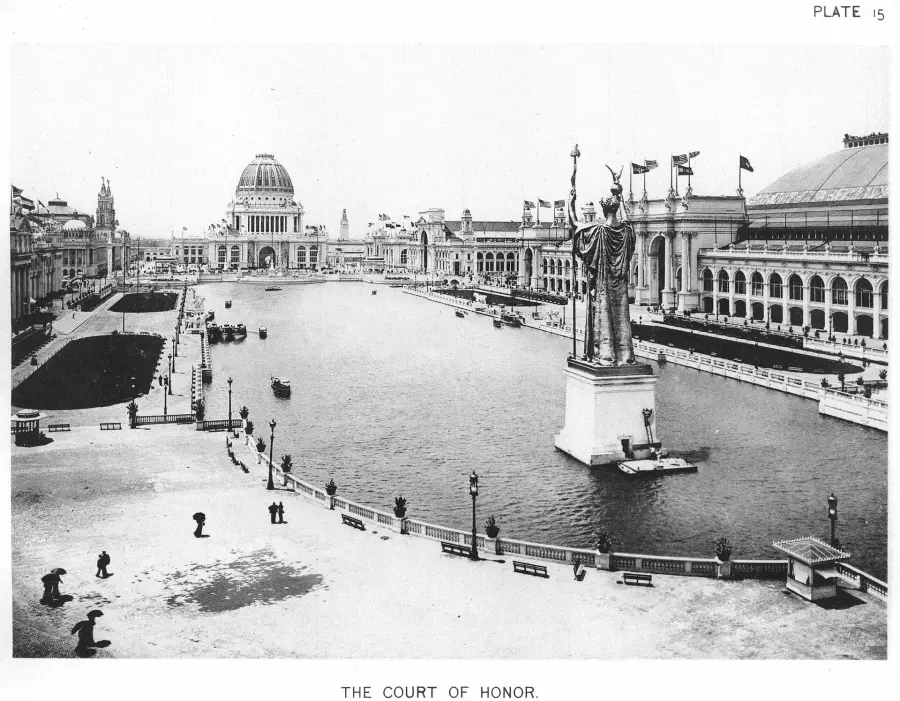
R.T. Davis Milling hired Nancy Green in 1890 to play Aunt Jemima; her first big appearance was the 1893 World's Fair in Chicago. The character was a racist caricature, and Quaker Oats retired the brand in 2020. Equity built on something the brand later had to destroy.

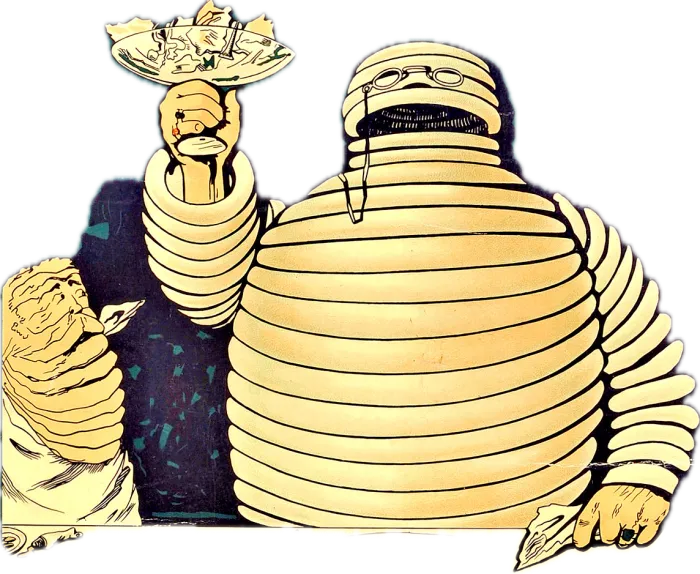
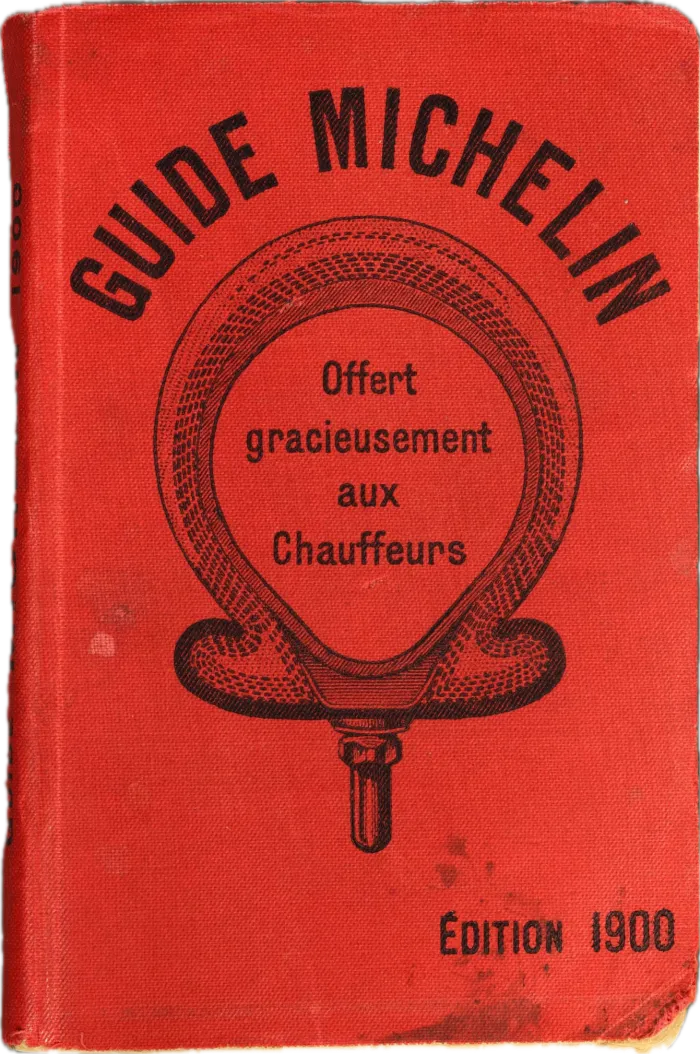
Michelin gave away about 35,000 guides when France had fewer than 3,000 cars. More driving meant more worn tyres. Content marketing before the phrase existed.
RENT A FAMOUS FACE
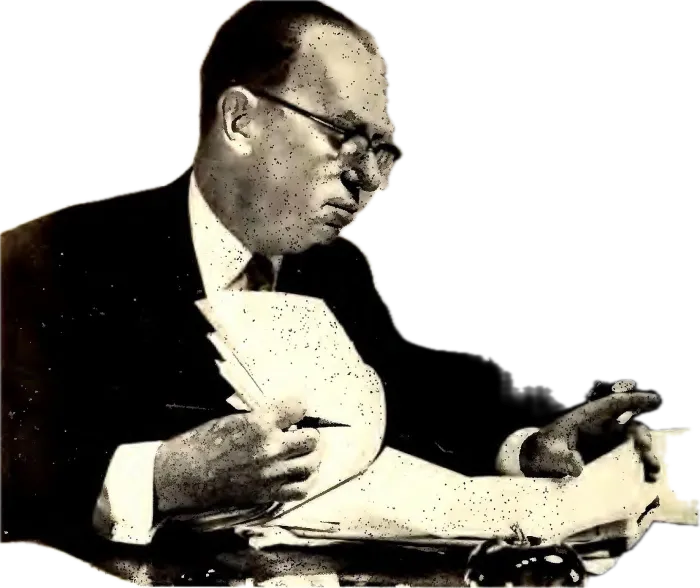
· 1954 – 1985Leo Burnett created the Marlboro Man in 1954; the national rollout came in 1955. A cigarette first sold to women became a masculine icon, and the men who played him became a warning about the product.

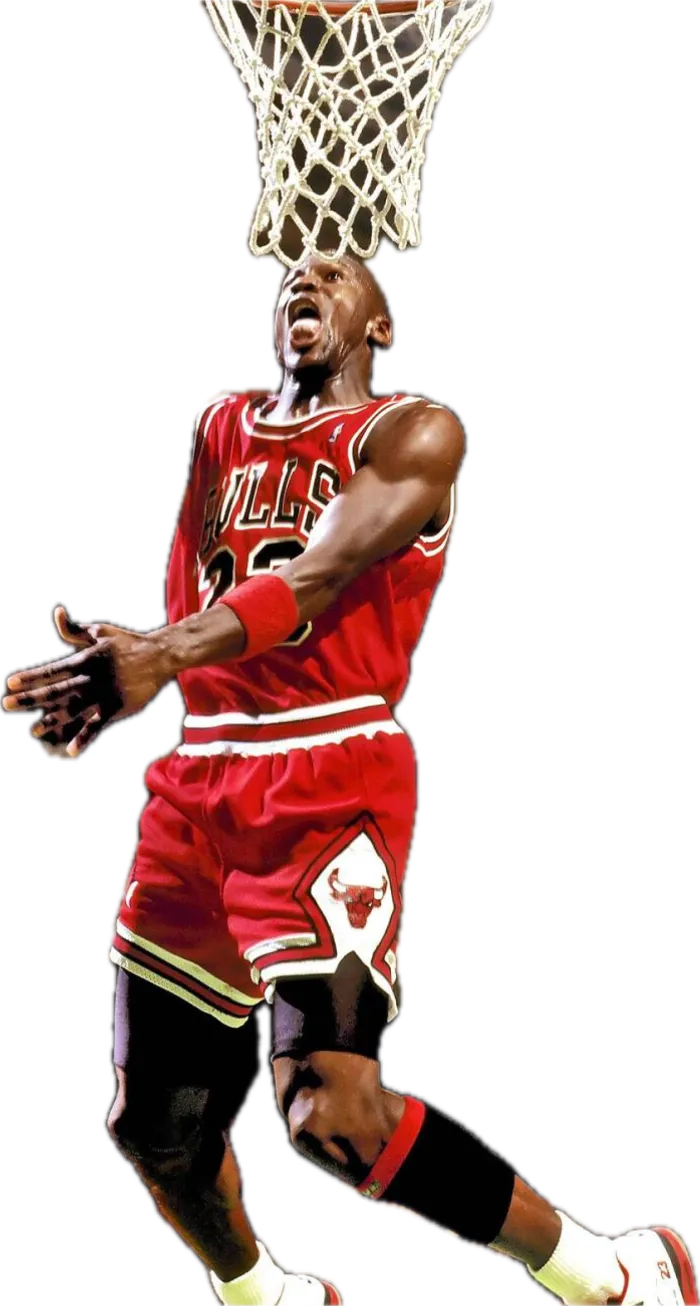
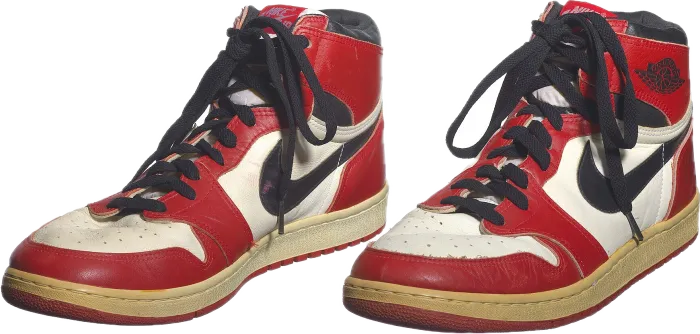
Jordan signed with Nike in 1984; the Air Jordan 1 went on sale on 1 April 1985. A creator-equity deal in all but name. The limit of the era: only famous people could do it, and only big companies could pay.

NO PERMISSION NEEDED
· 2005 – 2010YouTube launched in February 2005 and opened revenue sharing to creators in 2007. No agent, no network, no famous relatives needed.

From the mid-2000s, mommy bloggers turned family life into ad-supported media. Mocked at the time, they invented the category. Illustration.
Instagram launched on iOS. Building an audience cost nothing, and for about six years reaching it cost nothing too.

THE RULEBOOK ARRIVES
· 2016 – 2019Instagram ranks the feed. People who already built audiences suddenly hold something scarce, and that's when the money arrives.

FTC staff sent more than 90 letters about disclosing paid ties, then brought the first case against individual influencers. That April, Fyre Festival, sold largely through influencer posts, collapsed on day one.

Instagram tested hiding like counts, then widened the test to six more countries and the US. The number the industry priced on became unreliable on purpose. Illustration.
CREATORS AS MEDIA
· 2020 – 2026TikTok had about 200 million users in India when it was blocked. Reels and Shorts moved into the gap.

Apple made apps ask before tracking. Performance ads got pricier and less accurate; creator content never needed the pixel. Aman's read: the biggest reason budgets moved.

India's ad self-regulator set disclosure rules for influencers, virtual influencers included. Photo: an earlier ASCI conference, 2011.
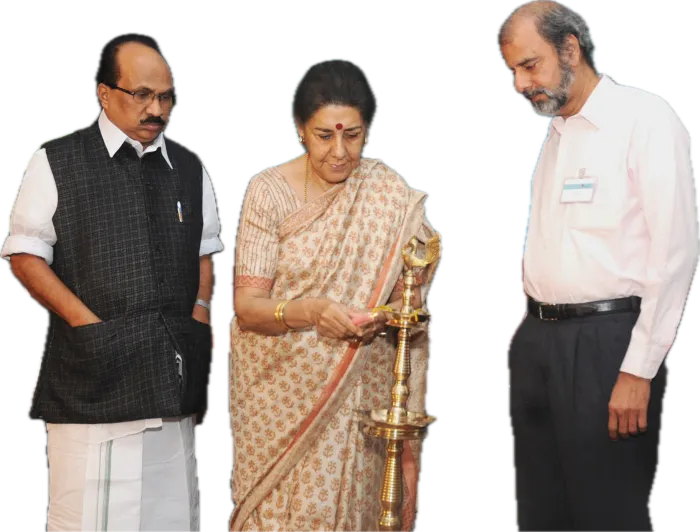

Disclosures must be hard to miss, and the consumer regulator can fine up to ₹10 lakh. An industry norm became consumer protection.
260 years after Wedgwood, the question is no longer whose name is on the product. It's whether there's a person behind it. Illustration.

WHAT 260 YEARS TEACH
· four lessonsWhen did Wedgwood become Potter to Her Majesty?
tap to flip ↻1766, a year after the court's 1765 tea-set order.
Why did a tyre maker publish a restaurant guide?
tap to flip ↻To make people drive further and wear out more tyres.
What did Instagram test in 2019?
tap to flip ↻Hiding like counts, starting in Canada.
What label did Instagram start testing in May 2026?
tap to flip ↻An optional AI creator label.
+ Sticky adds a note · ⬇ asks for an email, then downloads your copy
Get this board
Enter your email and we'll send you a downloadable copy, plus new boards as we publish them.