The Barter Trap
A barter collaboration is paying a creator in free product instead of money, and it's often the most expensive deal a brand can make. Barter looks like the cheapest deal in influencer marketing. It's the most expensive thing most brands do, and the bill arrives in the second campaign.

“the propensity to truck, barter, and exchange one thing for another.”Adam Smith, The Wealth of Nations, 1776
What you're actually buying
· No. 1A barter deal buys the leftover slot
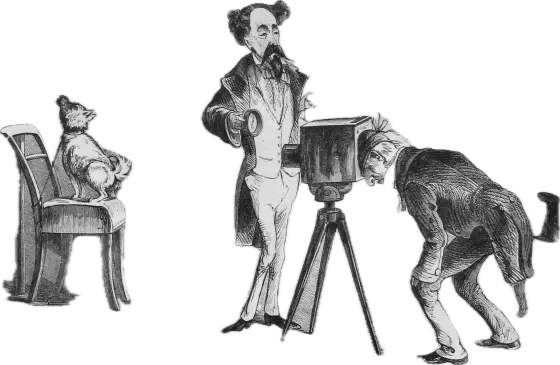
A creator's posting slots are scarce. When a barter deal and a paid deal want the same week, the paid one wins, every time and reasonably. So barter doesn't buy their best work. It buys whatever fits around the paid work.You can see the discount in the post
It gets shot in one rushed take, posted at a quiet hour, and left without Stories or replies to comments. All defensible, because nobody was paid for any of it.The paid posts get the good hours. The gifted one gets what's left. Illustration.
Three costs nobody counts
· No. 2
You learn nothing
Barter rarely gets codes or UTM links, because nobody is justifying spend. You end with a reach number and a vibe, and no shortlist for next time.You anchor the relationship
The creator files you as a brand that doesn't pay. When a real budget arrives, you negotiate against your own precedent.You pick the wrong creators
Who says yes to barter? Mostly creators with spare slots, which tends to mean less demand. That's adverse selection dressed up as efficiency. Our read, not a study.When barter genuinely works
· No. 3The product is worth more than the fee
Say a ₹15,000 product to a nano creator whose rate is ₹6,000. That's payment in kind, not barter, so say it out loud in the negotiation. Example figures.Seeding at volume, with a code each
Gift many creators, give each one a unique code, and treat it as sourcing, not a campaign. Say 200 gifted, maybe 15 post (example). Daniel Wellington paired gifted watches with personal codes like “LOUISE, 15% off”, and paid contracts for bigger names (UK ASA ruling, July 2018).They already love it
A creator who uses the product and posts unpaid is the real thing, and rare. Pay them before a competitor does.
The version that works
· No. 4Base fee (low end of tier)₹3,000
Product ₹8,000
Deal value₹11,000
The cash is almost symbolic. It still changes how the work is treated. Example figures.
A paid deal with a product component
Base rate at the low end of the tier, plus product. The cash part can be small and it still changes everything, because it changes what the creator owes you: from “do me a favour” to “we're working together”.The rules in India
· No. 5Free product must be labelled
ASCI counts “free products with or without any conditions attached, including those received unsolicited” as a material connection, and accepts labels like Ad, Sponsored or Free gift. The Consumer Affairs ministry's 2023 guide lists “free products with or without conditions” too. ASCI guidelines (2021); DoCA, 20 Jan 2023.Barter isn't tax-free
Since 1 July 2022, a brand whose benefits to one creator pass ₹20,000 in a year must deduct 10% TDS (Section 194R, now Section 393 of the Income-tax Act 2025 per tax advisers). A product the creator sends back isn't a benefit; one they keep is. CBDT Circular 12/2022, Q6.
The one-line test
· No. 6Why does a barter post look rushed?
tap to flip ↻It got the slot left over after paid work.
What turns barter into a real deal?
tap to flip ↻A small cash fee plus the product.
Must a creator label a free product post in India?
tap to flip ↻Yes: it's a material connection (ASCI, DoCA).
When is a gifted product not a 194R benefit?
tap to flip ↻When the creator returns it after use.
+ Sticky adds a note · ⬇ asks for an email, then downloads your copy
Get this board
Enter your email and we'll send you a downloadable copy, plus new boards as we publish them.